California Electric Boat Rules & Incentives: 2026 Guide
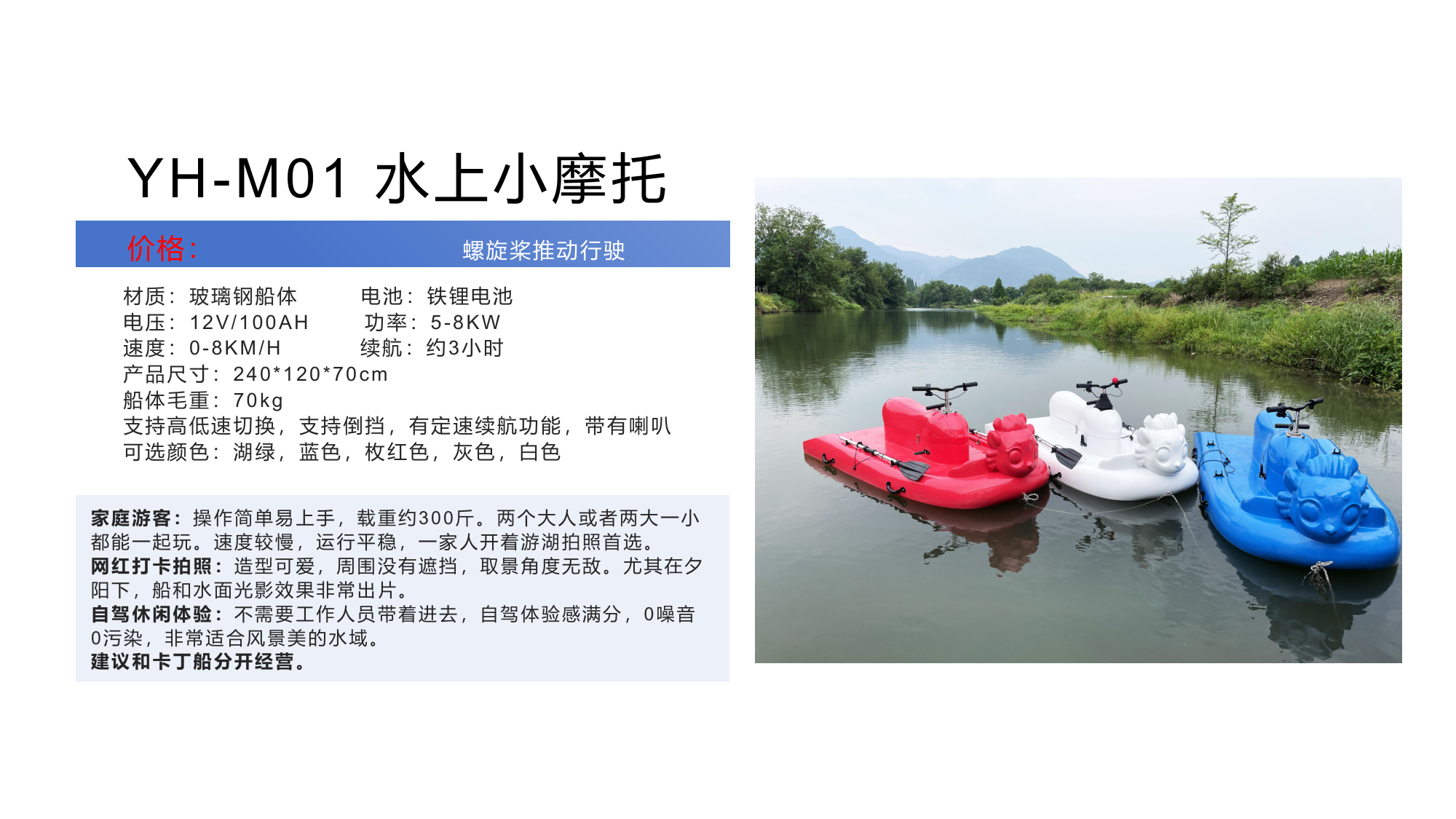
California is one of North America's largest recreational water-rental markets, and it is also the state with the most aggressive plan to electrify commercial vessels. If you operate or supply boats there, you have probably seen both claims and panic posts: "California is banning gas boats" and "subsidies pay half your fleet." Neither is accurate. The real picture, verified against CARB and EPA documents as of September 2026, is more specific — and for a rental operator deciding what to buy next, more useful: the state's zero-emission mandate applies to ferries and excursion vessels, not personal watercraft rental fleets, a voucher program exists that can reach up to $1,000,000 per vessel for qualifying commercial replacements, and the federal legal footing of the rule is actively being contested. This guide separates what the Commercial Harbor Craft regulation actually requires, where the voucher money is, what changed in the EPA standoff during 2025–2026, and what all of it means for someone buying small electric boats — kart boats included — for California operations.
Key Takeaways - CARB's Commercial Harbor Craft (CHC) regulation (2022 amendments, in force January 1, 2023) covers commercial ferries and excursion vessels. New passenger ferries must be zero-emission by the end of 2025; new excursion vessels must be at least 30% zero-emission-capable hybrids. Private rental fleets and personally operated craft are outside the CHC scope. - The CORE voucher program offers point-of-sale incentives for zero-emission harbor craft — up to $1,000,000 per vessel for the largest categories, with eligibility tied to the CHC-regulated vessel classes and the equipment catalog. - The rule's federal footing is unsettled: EPA authorized most elements in January 2025, granted a partial waiver in July 2025, and moved against the rule in July 2026. Expect the compliance picture to keep moving — verify status before contract decisions. - For small craft like electric kart boats, no California rule forces a fleet conversion today. The practical drivers are local (lake-level engine bans with a 25-year history), customer preference, and the option value of buying electric while incentives are funded. - Imported electric boats need their battery paperwork in order (UN 38.3 test summary, MSDS, transport documents) regardless of incentive eligibility — see our battery shipping compliance topic.
What does CARB's harbor craft regulation actually cover?
The Commercial Harbor Craft regulation is CARB's program to cut diesel particulate and NOx from vessels working in California waters. Its 2022 amendments took effect January 1, 2023 and expanded coverage to categories that previously sat outside the rule — most visibly passenger ferries and excursion vessels such as whale-watching and dinner-cruise boats. According to CARB's program documentation and the Federal Register notice of January 10, 2025, the headliners are:
- New passenger ferries must be zero-emission by the end of 2025.
- New excursion vessels must be built as hybrids with at least 30% zero-emission capability.
- ZEAT (zero-emission and advanced technology) requirements phase in from January 1, 2025 across new and in-use ferries and new excursion vessels, with compliance flexibilities (fleet averaging, extensions, credits). Now the boundary that matters for most readers of this guide: the CHC regulation governs commercial vessels carrying passengers for hire on defined routes — ferries, excursion boats, and work craft. A kart boat or similar small craft rented by the hour to walk-up customers is a personal watercraft rental, a different regulatory category. It is not subject to the CHC zero-emission schedule, and any vendor telling you that "California regulation requires your rental fleet to be 100% electric" is selling, not regulating.
Key insight: the honest boundary is the differentiator. Rental fleets face no CHC conversion mandate today — the buying case for electric small craft in California rests on lake-level engine rules, customer demand, and incentive windows, not on a state zero-emission deadline.
Where is the EPA standoff in 2025–2026?
Because California sets emission standards stricter than federal law, every such rule needs a Clean Air Act waiver or authorization from EPA. The CHC rule has been through a three-round fight:
- January 2025: EPA granted authorization for most elements of the CHC regulation (Federal Register, January 10, 2025), but declined to act on two zero-emission requirements for in-use ferries.
- July 2025: EPA approved a partial waiver, allowing the bulk of the program to stand while environmental groups and industry both claimed partial victories.
- July 2026: EPA moved to revoke its authorization for the harbor craft rule, a step reported in August 2026 trade press (Waterways Journal, 2026-08-14) and immediately challenged by California and environmental groups. What does that mean operationally? As of September 2026 the CHC program exists, CARB still administers it, and affected operators still report under it — but its long-term federal legal footing is contested. For a purchase decision, treat compliance-driven deadlines for ferries and excursion vessels as currently in force but legally fluid, and re-verify status at contract time rather than relying on year-old summaries (including this one).
What is the CORE voucher and how much is it?
CORE — the Clean Off-Road Equipment Voucher Incentive Project — is CARB's point-of-sale incentive for zero-emission off-road equipment, and it includes a commercial harbor craft category. Unlike tax credits that arrive a year later, CORE vouchers are applied at purchase through participating dealers, on a first-come, first-served basis. Verified mechanics (CORE implementation manual and equipment catalog, retrieved 2026-09-09):
- Voucher amounts scale with vessel category and size; the largest zero-emission replacements can reach up to $1,000,000 per vessel, with enhancements for small businesses.
- Eligible uses include new zero-emission builds, conversions and conversion kits, and shore-side charging infrastructure (shore-power eligibility is restricted).
- Public examples: Vision Marine's 180E electric powertrain listings at roughly $170,000 per vessel for qualifying operators; Photon Marine has cited voucher support covering up to 78% of upfront cost in program materials. The catch for small-craft buyers: CORE eligibility is tied to the CHC-regulated vessel classes, and each purchase must match an approved model in the CORE equipment catalog. A kart boat rental fleet does not automatically qualify by being electric — qualification runs through the catalog and the vessel's commercial role. If electrification incentives matter to your business case, check the CORE harbor craft catalog before you sign, and treat catalog listing as the test, not marketing claims from either direction.
What does this mean for rental operators buying small electric boats?
No state deadline forces your fleet to convert — so why buy electric in California now? Four reasons, in order of practical weight:
- Lake and local rules already exist. California has more than 25 years of history with engine-level restrictions at the water-body level: Lake Tahoe's ban on carbureted two-stroke engines (from 1999) is the classic case, and individual lakes and marinas continue to set their own access rules for older combustion engines. Regulation of small craft arrives lake by lake, not by statewide mandate — which means each season can quietly move a lake near you.
- Customer preference is measurable. Rental operators report that quiet, no-fume boats widen the customer base — families with young kids, and venues near residential shorelines where noise complaints cap operating hours.
- Incentive windows close. CORE is first-come, first-served and funded in cycles. Waiting for a mandate that may never come to small craft is also a way to miss a voucher cycle built for early movers in adjacent categories.
- Operating economics favor small craft. An electric kart boat eliminates fuel handling on the dock, has a far shorter maintenance list (no oil, no spark plugs, no carburetor), and charges from shore power overnight. Our electric vs gas comparison covers the full cost math.
Buying an electric kart boat for California operations: the import checklist
If you source from a manufacturer overseas, incentive eligibility is only one gate. The practical import gates for a small electric boat into the US:
- Battery transport documents: UN 38.3 test summary, MSDS, and correct transport classification — required before ocean booking, not after; the battery shipping compliance topic on our trust center walks the full checklist.
- Duty and tariff planning: China-origin boats under HS 8903.99 carry roughly 1% MFN plus Section 301 (+25%) plus current IEEPA layers — our import duty guide breaks down the stack and its 2026 deadlines.
- HIN and state registration: vessels under 16 feet still require a Hull Identification Number and manufacturer certification — see our US certification overview.
- Charging fit-out: confirm shore-power availability at your dock and the charger's plug standard before the boat ships. None of these are California-specific except the last — but they are the gates that actually delay deliveries, and they apply equally whether or not a voucher is involved.
FAQ
Does California require rental boats to be electric? No. As of September 2026, CARB's zero-emission mandates apply to commercial ferries and excursion vessels under the CHC regulation. Hourly rental fleets of small craft are outside that scope. Some individual lakes restrict older two-stroke engines — access rules are set water body by water body. What is the CORE voucher amount for electric boats? Voucher values scale by vessel category in the CORE equipment catalog, up to $1,000,000 per vessel for the largest zero-emission harbor craft replacements. Small-craft amounts are smaller and require the specific model to be catalog-listed. Can a kart boat rental fleet qualify for CORE? Only through the catalog: CORE eligibility is tied to CHC-regulated commercial vessel classes, and each purchase must match an approved listing. Check the CORE harbor craft catalog and confirm with a participating dealer before you buy — do not assume either eligibility or ineligibility without the catalog entry. Is the CARB harbor craft rule still in effect given the EPA fight? As of September 2026, yes — CARB still administers the program and the 2025 compliance milestones stand, but EPA moved against its own January 2025 authorization in July 2026 and the legal outcome is pending. Verify status at contract time. Do electric boats need special documents to import to the US? The lithium battery pack drives the paperwork: UN 38.3 test summary, MSDS, and transport classification are required before ocean booking. Vessels also need a HIN and manufacturer certification regardless of powertrain. Is now a good time to switch a California rental fleet to electric? The compliance deadline argument does not apply to rental fleets — the practical case is lake-level rules, customer demand, dock economics, and incentive timing. Operators we talk to treat one or two electric units as a paid pilot against those four factors, before any fleet-level commitment.
Data caveats
- Tier A (documented): CHC 2022 amendment scope and milestones (CARB program pages, Federal Register 2025-01-10); CORE voucher mechanics and harbor craft category (californiacore.org, retrieved 2026-09-09); the parallel Norwegian fjord zero-emission rules are covered in our Norway fjord operator guide.
- Tier B (single-source or moving): the July 2026 EPA revocation action (trade press reporting, August 2026); example voucher amounts for specific powertrains (manufacturer/program materials).
- Tier C (volatile): the final legal outcome of the EPA–California standoff; future CORE funding cycles; any future extension of zero-emission rules to small rental craft. None of these should be quoted into a purchase contract without a same-week re-check.
Sources
- CARB Commercial Harbor Craft program — 2022 amendments, in force 2023-01-01 (retrieved 2026-09-09)
- Federal Register — California State Nonroad Engine Pollution Control Standards; Commercial Harbor Craft (2025-00465) — EPA action on the CHC rule, January 2025 (retrieved 2026-09-09)
- Pacific Environment — EPA approves partial waiver for CHC — July 2025 (retrieved 2026-09-09)
- Waterways Journal — EPA moves against California harbor craft rule — July 2026 action (retrieved 2026-09-09)
- CORE Commercial Harbor Craft category — voucher amounts and catalog (retrieved 2026-09-09)
- CORE Implementation Manual, Attachment E — harbor craft eligibility rules (retrieved 2026-09-09; curl-403 anti-bot possible)
- WorkBoat — CARB expands voucher program — program expansion coverage (retrieved 2026-09-09) --- Sourcing electric kart boats for a US rental operation? Talk to our team about export documentation and fleet configuration — or start with the 2026 price guide and the complete kart boat guide.
Get a Quote for Your Kart Boat Business
Tell us what you need — OEM/ODM specs, quantity, target market. Our team replies within 24 hours.
Prefer a quick chat?
Chat on WhatsAppFree B2B resources
Buyer guides, ROI calculators, customs checklists, and case studies — built on direct factory manufacturing experience.