Norway Zero-Emission Fjord Rules: 2026 Operator Guide
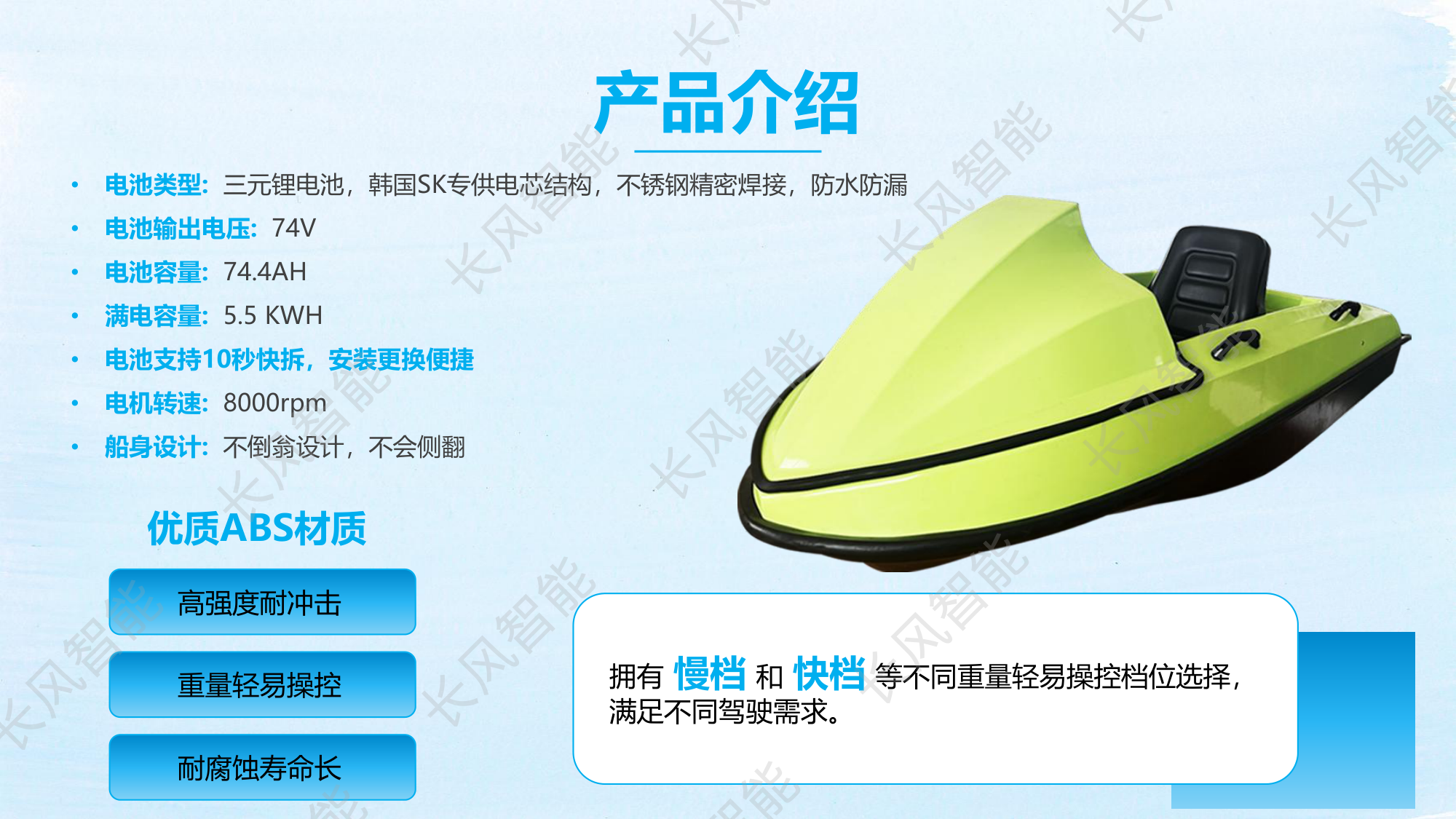
Norway runs the world's strictest experiment in tourist-boat electrification — and as of January 1, 2026, it stopped being a plan. Passenger ships under 10,000 gross tonnes must now operate with zero direct emissions in the Geirangerfjord and Nærøyfjord, the two UNESCO-listed branches of West Norway's fjord complex, with the world heritage fjords' wider protected waters phasing in alongside. For an industry that has run on diesel since the diesel age, this is the hardest compliance deadline anywhere in tourism. And it is a preview: from January 1, 2032, the zero-emission requirement extends to passenger vessels of all sizes in these waters. If you operate tours, ferries, resort transfers, or guest watersports around Nordic waters, this guide explains what the rules actually require, which vessels are in scope (and which are not), what "zero emission" means technically, why the model is spreading across Europe — and how small electric craft like kart boats fit the fjord-region opportunity.
Key Takeaways - Since January 1, 2026, all passenger ships below 10,000 GT must sail with zero direct emissions (battery-electric, hydrogen, or similar) in the Geirangerfjord and Nærøyfjord world heritage waters, per the Norwegian Parliament's decision and Norwegian Maritime Authority guidance. - Cruise ships 10,000 GT and above are not covered by the 2026 rule — but from January 1, 2032, the zero-emission requirement applies to all passenger vessels regardless of size. - "Zero emission" means no direct CO₂, methane, NOx, SOx, or particulates while in the fjord — shore-charged batteries are the dominant compliance path for smaller vessels today. - The enforcement scope is passenger ships (ferries, sightseeing vessels, smaller cruise craft). Hourly rental craft and personally operated small boats are outside this specific rule — but the same environmental logic is already driving electric-only zones on European lakes and nearshore waters. - For fjord-region resorts and tour operators, small electric craft (kart boats among them) convert the compliance story into a product story: silent operation, no exhaust over the rail, and minimal wake in sensitive waters.
What do Norway's zero-emission fjord rules require?
The rules trace to a long-standing Norwegian parliamentary decision to protect the West Norwegian Fjords — Geiranger and Nærøy were inscribed by UNESCO in 2005 — from the air pollution and NOx deposition that cruise and ferry traffic brings into narrow, steep-walled waters. The Norwegian Maritime Authority (Sjøfartsdirektoratet) has since adopted the implementing requirements, and the phase-in landed in two steps:
- From January 1, 2026: passenger ships under 10,000 GT must operate on energy sources with no direct CO₂, methane, NOx, SOx, or particulate emissions while navigating the world heritage fjords and adjoining protected waters.
- From January 1, 2032: the same requirement extends to all passenger vessels regardless of size — the step that captures the large cruise segment. In practice, meeting the standard in these waters means battery-electric propulsion with shore charging, or (in a few cases) hydrogen-based systems. Fossil LNG does not qualify — methane slip counts against the rule's direct-emission limits — though the government permits conditioned biogas as an alternative, which is why electrification still dominates the compliance fleet orders.
Which vessels are in scope — and which are not?
The 2026 rule applies to passenger ships: vessels certified to carry passengers on commercial voyages, including sightseeing boats, car ferries on fjord routes, and smaller cruise vessels under the 10,000 GT line. Three boundary notes that matter for different readers:
- Large cruise ships (≥10,000 GT) are not yet covered. They face the 2032 extension instead. This gap has been criticized by environmental groups, but it is the current law.
- Hourly rental craft and personally operated boats are outside the rule. A kart boat rented to walk-up guests, a paddle craft, or a private tender is not a certified passenger ship on a commercial voyage. The fjord rule does not — today — touch them.
- The commercial line matters. A resort that carries guests between docks as part of its service, or sells scheduled sightseeing runs, is operating passenger ships and should be planning against the 2026/2032 dates with its classification society.
Key insight: read the Norwegian rules as a market signal, not just a legal text. The fjords are the test bed where Europe's first full zero-emission tourist waterway is being built — and the suppliers, routes, and guest expectations being forged there are already leaking into the rest of the continent's water tourism.
What does zero emission mean in practice?
For operators, three technical realities define compliance in the fjords:
- Batteries plus shore charging are the workhorse. Fjord sightseeing routes are short, and an overnight shore charge covers a day of operations. The emerging bottleneck is dock-side charging capacity in small villages — which Norway is investing in alongside the mandate.
- Silence is part of the product. The fjords' soundscape is protected in practice if not in statute: tour operators report that electric propulsion changes the guest experience as much as the emission profile. For wildlife-heavy waters, low noise and low wake are product features, not just compliance lines.
- Cold and steep terrain stress small craft. Glacier-fed water, fast weather shifts, and limited rescue infrastructure reward craft with simple systems, sealed batteries, and honest range figures. This is where our general advice — demand sustained-cruise figures and battery cycle life in writing, per the performance data guide — becomes a fjord-specific requirement.
Are similar rules spreading beyond Norway?
Yes — and this is why the Norwegian rules matter to operators who never plan to sail a fjord. The direction of travel across European water tourism is the same: combustion engines lose access first, electric craft keep it. Verified examples as of 2026:
- France — lake zones: the Verdon hydroelectric lakes operate under an electric-only regulatory family that has tightened from 2017 through 2025, with rental operations legally required to be electric on the main basins — the sharpest example of "electric as the price of market access" outside Norway (covered in depth in our European fleet-planning guide).
- Amsterdam: the city's central waters moved to zero-emission boating requirements from 2025, pushing tour and rental fleets toward electric.
- Germany — lake districts: Berlin and Brandenburg waters carry long-standing combustion restrictions on many lakes, and individual states continue to tighten access rules.
- Mediterranean nearshore: the Balearic Islands restrict personal watercraft within 300 meters of beaches, with a growing set of nearshore rules across Spanish and Italian waters that favor low-impact craft. The pattern is consistent: tourist waters are being zoned, and the zone entry ticket is electric. Norway simply moved first and hardest on the passenger-ship segment.
Choosing electric small craft for fjord-region operations
For fjord-region resorts, beach clubs, and tour operators, the small-craft segment — guest entertainment, tender runs, watersport add-ons — sits outside the 2026 mandate but inside the same guest-experience and environmental narrative. When we talk with Nordic operators about electric kart boats and similar craft, the selection criteria that keep coming up:
- Acoustics. The boat should disappear into the soundscape. Electric propulsion is inherently quiet, but hull slap, bare PWC-style handling, and cheap motor mounts still ruin it — ask for test-run video with sound, not just spec sheets.
- Wake profile. Low-wake hull behavior protects shorelines and passes the "narrow water" test that fjord guests and regulators both care about.
- Battery honesty and cold performance. Demand sustained-cruise range figures, battery cycle life at rental duty, and low-temperature behavior in writing — the pre-shipment inspection checklist covers what to verify before the container leaves.
- Serviceability. Nordic seasons are short and repair windows shorter. Modular battery swap, sealed drivetrains, and remote diagnostics cut the season-killing downtime.
- Documentation hygiene. CE-aligned file sets, battery transport papers (UN 38.3, MSDS), and clear warranty terms — the same procurement framework that governs any serious fleet purchase. None of these are Norway-specific; all of them matter twice as much in a market that markets itself on purity. An operator in Geiranger or Flåm is selling the fjord itself — the craft on the water either supports that story or undermines it.
FAQ
Which fjords do the zero-emission rules cover? The world heritage fjords — Geirangerfjord and Nærøyfjord — plus adjoining protected waters of the West Norwegian Fjords complex, as defined in the Norwegian regulations and Maritime Authority guidance. Do the rules apply to small rental boats like kart boats? No. The 2026 requirement applies to certified passenger ships under 10,000 GT — ferries, sightseeing vessels, and smaller cruise craft on commercial voyages. Hourly rental craft and personally operated boats are outside this specific rule, though general navigation and environmental rules still apply. When do large cruise ships have to comply? From January 1, 2032, the zero-emission requirement extends to passenger vessels of all sizes in the protected fjords. The 10,000 GT-and-above segment is therefore on a six-year clock. What counts as zero emission under the Norwegian rules? Energy sources with no direct CO₂, methane, NOx, SOx, or particulate emissions while in the fjord — in practice battery-electric with shore charging, and in a few cases hydrogen. Fossil LNG does not qualify because methane is itself a regulated emission; conditioned biogas is permitted as an alternative, and shore power is mandatory where facilities exist. Why is Norway doing this? To protect the UNESCO-listed fjord scenery from air pollution and NOx deposition, per the Norwegian Parliament's standing decision — and to force the transition of its own large domestic tourist fleet. Norway is both the regulator and the biggest market for electric ferries. Is electric operation realistic for tourism businesses in cold water? For short sightseeing and guest-activity routes, yes — that is the segment where battery-electric has proven itself first (ferries included). The binding constraints are dock charging capacity and battery honesty from suppliers, both of which are solvable at purchase time with the right specification discipline.
Data caveats
- Tier A (documented): the 2026/2032 phase dates, vessel-size threshold, and zero-emission definition (Norwegian government pages, Norwegian Maritime Authority notices, Lloyd's Register class guidance — retrieved 2026-09-09); the scope boundary around certified passenger ships.
- Tier B (single-source): the Amsterdam April 2025 zero-emission zone details (trade press); French lake-level electric-only operational details (our own regional research compiled August 2026).
- Tier C (volatile): future extension of the Norwegian model to rental craft; EU-level recreational craft measures; dock-charging buildout timelines in the fjord villages. None of these should be quoted into a contract without a same-week re-check.
Sources
- Norwegian Government — Zero emission requirements for passenger ships in world heritage fjords (retrieved 2026-09-09)
- Norwegian Maritime Authority (Sjøfartsdirektoratet) — zero-emission requirement adopted (retrieved 2026-09-09)
- Lloyd's Register — Zero emission requirements in Norwegian heritage fjords — 2026/2032 phase detail (retrieved 2026-09-09)
- DieselNet — Norway marine emission standards — regulatory timeline reference (retrieved 2026-09-09) --- Planning guest watersports or tour operations in Nordic waters? Talk to our team about electric fleet options — or read the California rules & CORE vouchers guide for the North American mirror of this trend.
Get a Quote for Your Kart Boat Business
Tell us what you need — OEM/ODM specs, quantity, target market. Our team replies within 24 hours.
Prefer a quick chat?
Chat on WhatsAppFree B2B resources
Buyer guides, ROI calculators, customs checklists, and case studies — built on direct factory manufacturing experience.